
We need more dialogue activists in Malaysia
The King Abdullah bin Abdulaziz International Centre for Interreligious and Intercultural Dialogue (KAICIID) is an intergovernmental organization which brings religious leaders and policy makers together through the art of dialogue.
Since 2015 until this year, there are six KAICIID Fellows Alumni in Malaysia. Four of them are academics of Universiti Malaya (UM), namely Prof. Datin Dr. Raihanah Abdullah, Assoc. Prof. Dr Wendy Yee Mei Tien, Dr. Mohammad Ismath Ramzy, and Dr. Alwani Ghazali. Other two alumni are Prof. Dr. Munif Zarirruddin Fikri from Universiti Utara Malaysia (UUM) and Nageswararau Krishnan of Malaysia Hindu Sangam.
KAICIID fellowship alumni participated in monthly online sessions throughout a one-year-training programme. As part of the training requirements, they also attended three in-person trainings, where they directly applied their dialogue skills. The online modules equipped them with a range of tools, including knowledge of interreligious dialogue, principles of intercultural theories, and skills in conflict resolution and peacebuilding. These skills are inarguably vital in the context of Malaysia’s multiracial and multicultural.
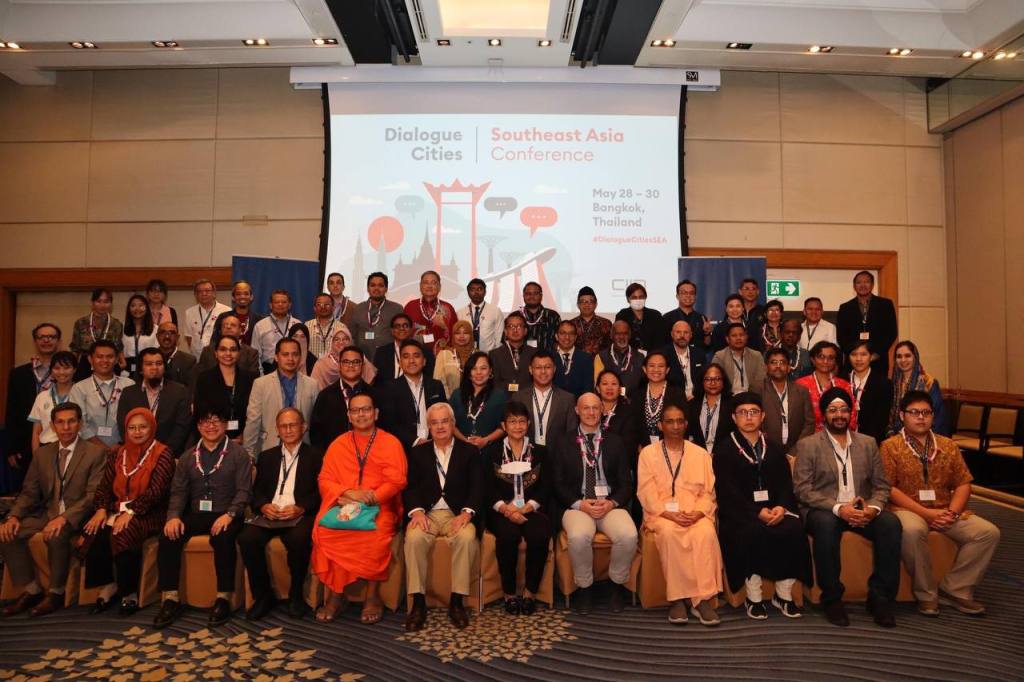
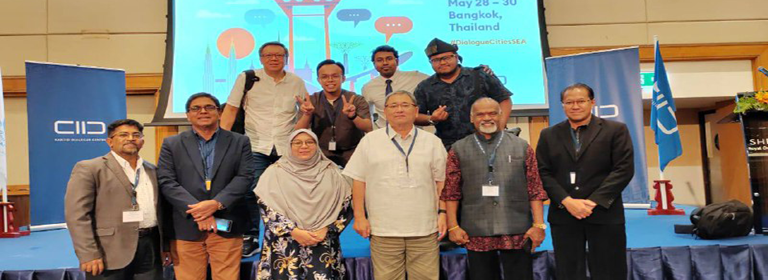
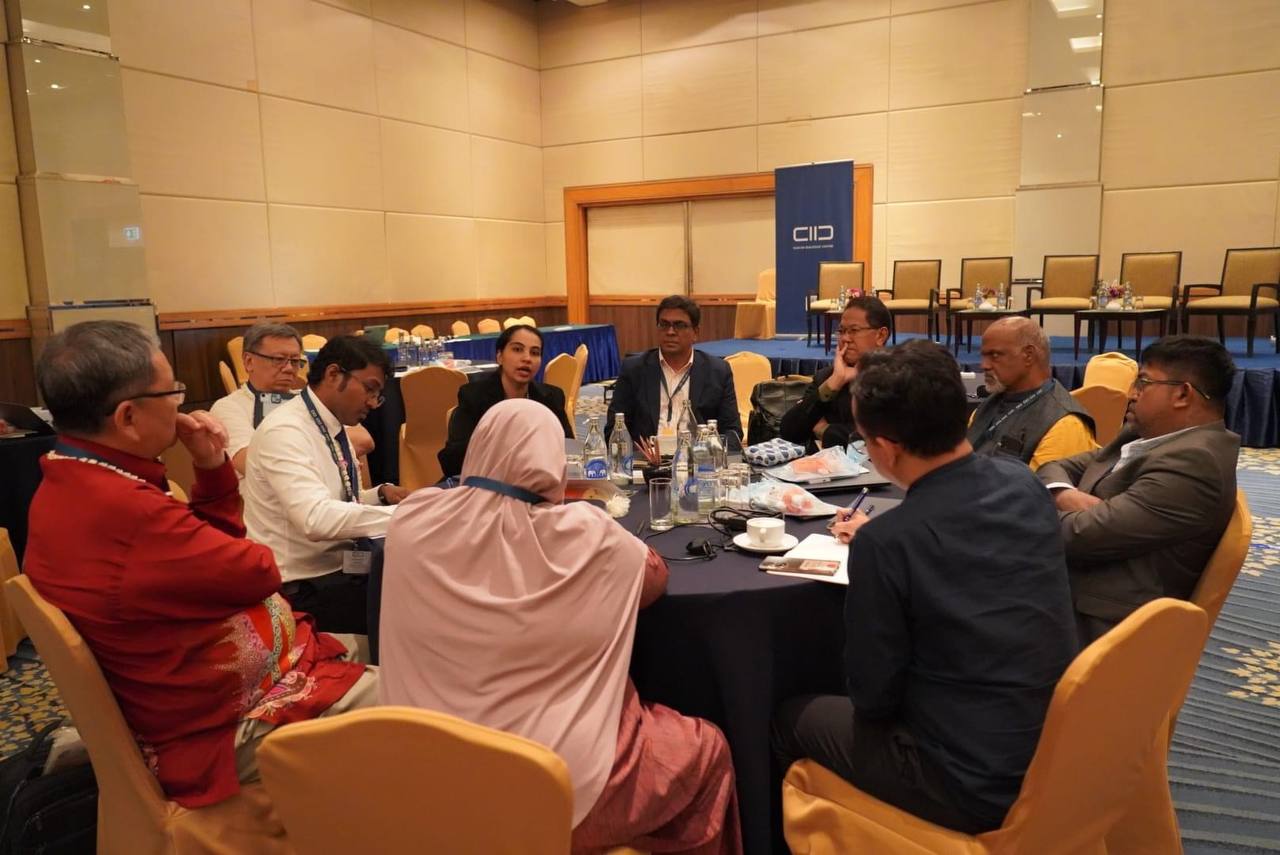
From 28 to 30th May 2023, KAICIID Southeast Asia organized a Dialogue Cities Southeast Asia Conference in Bangkok, with KAICIID Fellows serving as committee members. National unity activists and dialogue advocates from various cities across Southeast Asian countries, including Indonesia, Singapore, Malaysia, Thailand and the Philippines, participated in this year’s event. The conference gathered policy makers, youth leaders, women, academics, and NGO leaders, each representing their respective cities. Malaysia was represented by nine participants this year, including individuals of Tamil Indian, Sikh, Chinese and Malay ethnicities.
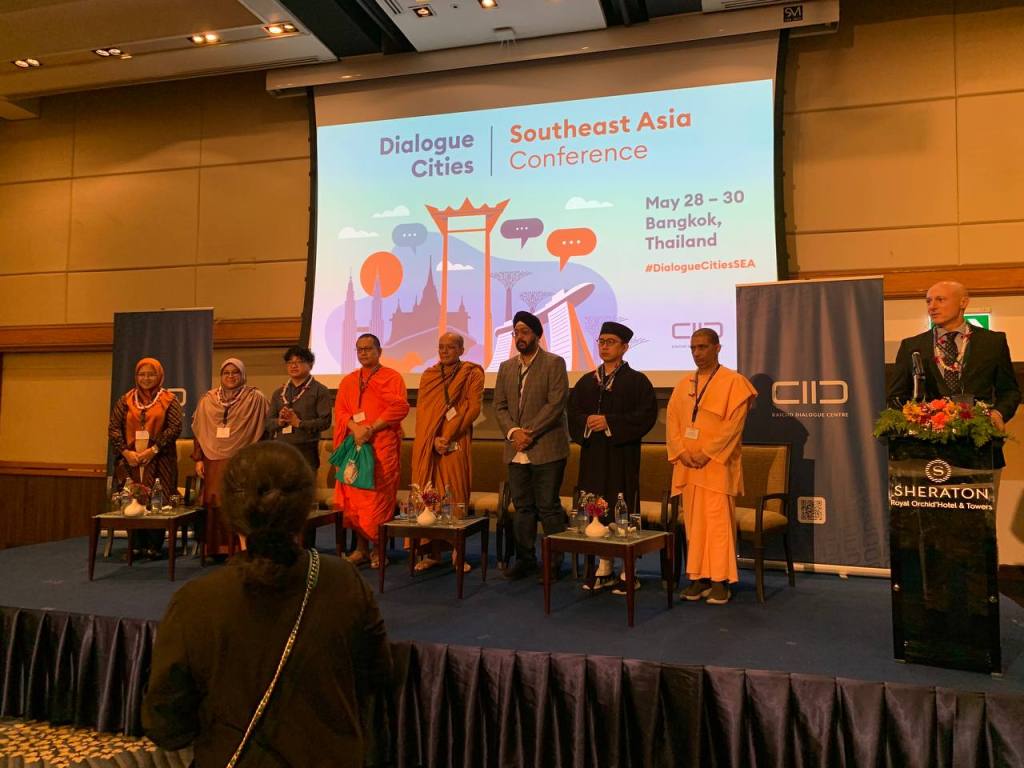
The objectives of this year’s Dialogue Cities Southeast Asia Conference were threefold, to highlight the important role that interreligious dialogue plays in cities and emphasise the need for public commitment to supporting such dialogue; second, to create a space for government officials, religious and interreligious leaders, practitioners (including women and youth), and experts to convene regionally and assess how to enhance the culture of dialogue in their respective cities; and third, to document and promote innovative practices in interreligious dialogue (IRD) and intercultural dialogue (ICD) within cities located in one of the most religiously and culturally diverse regions in the world.
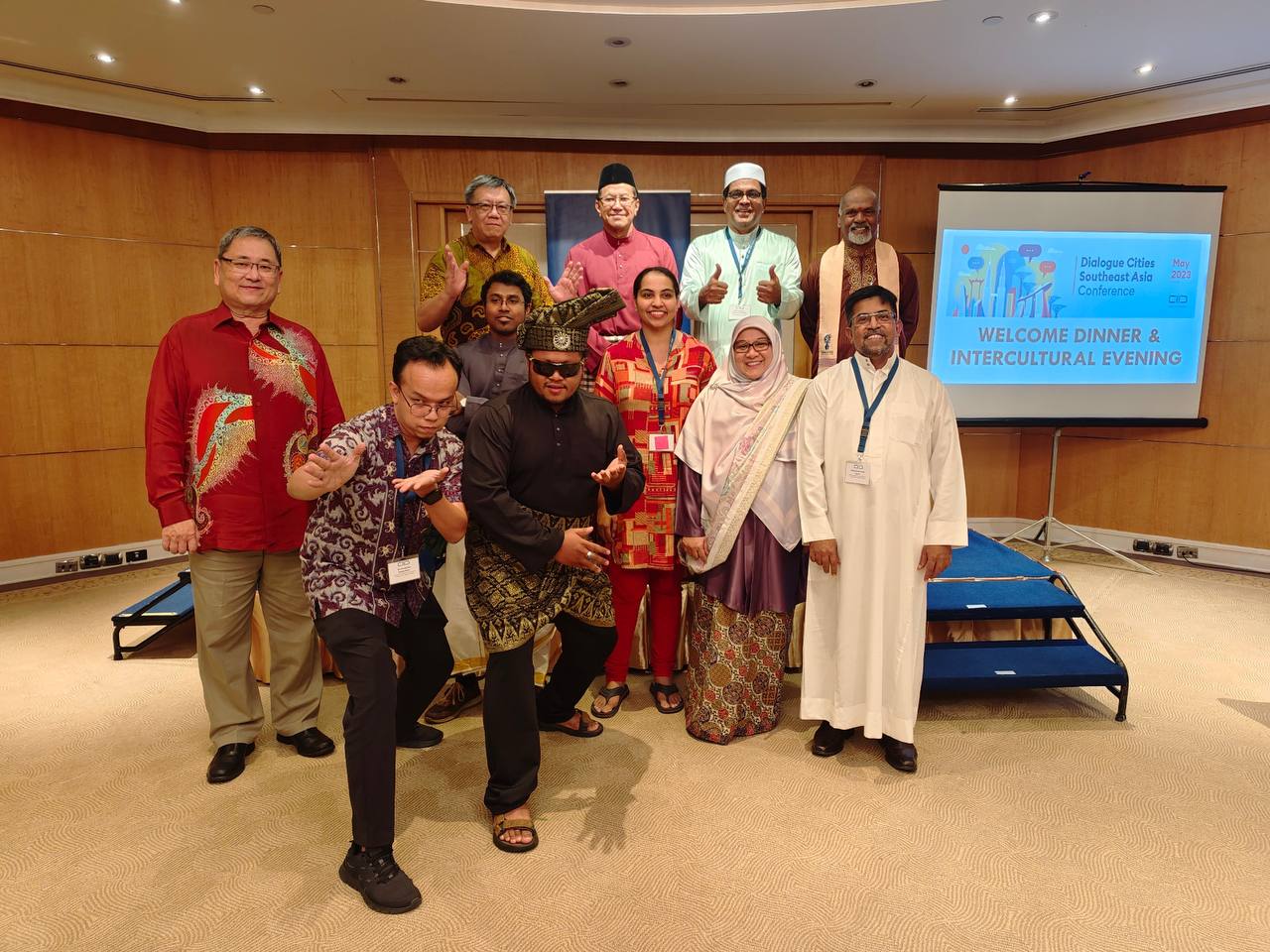
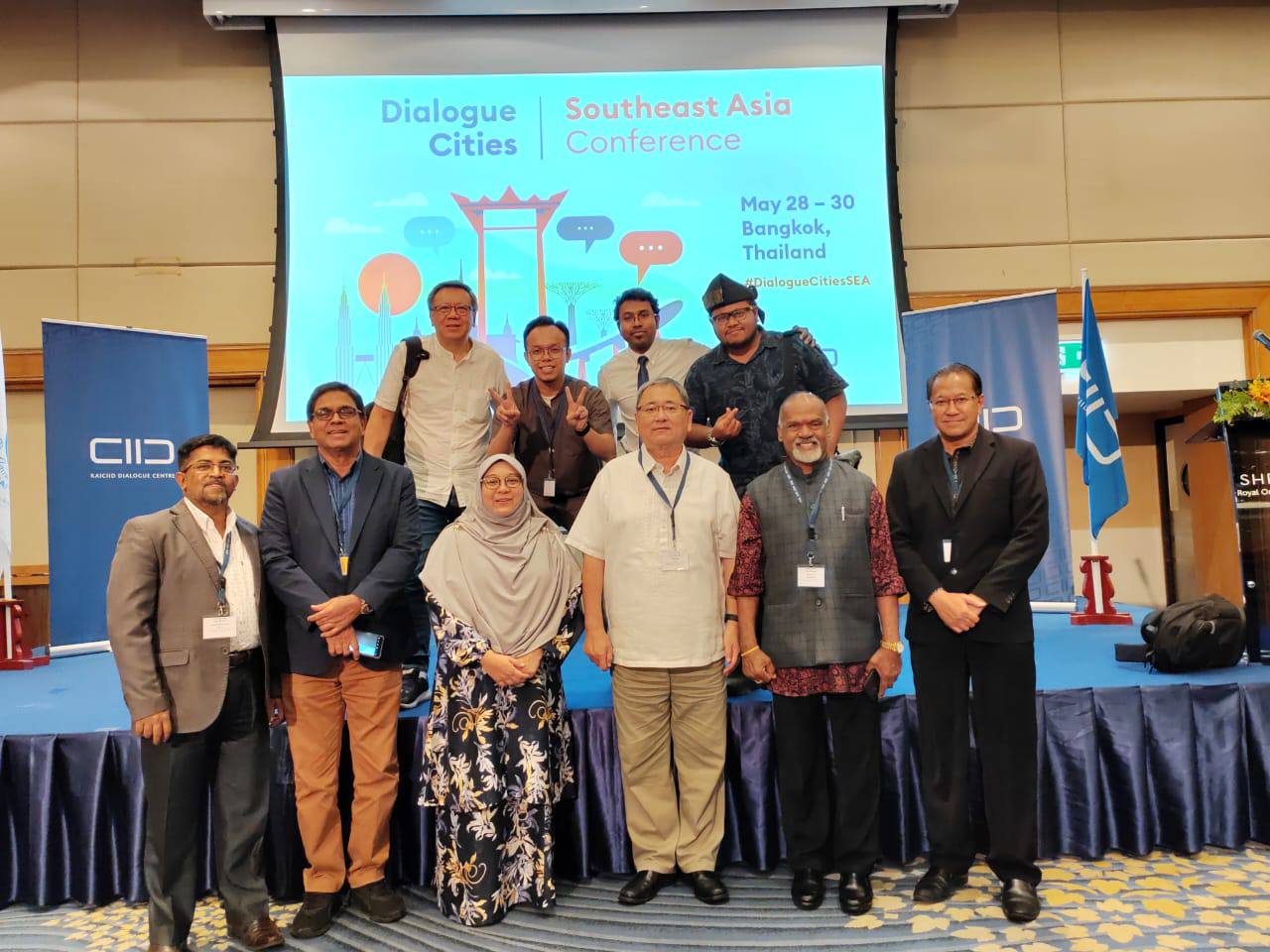
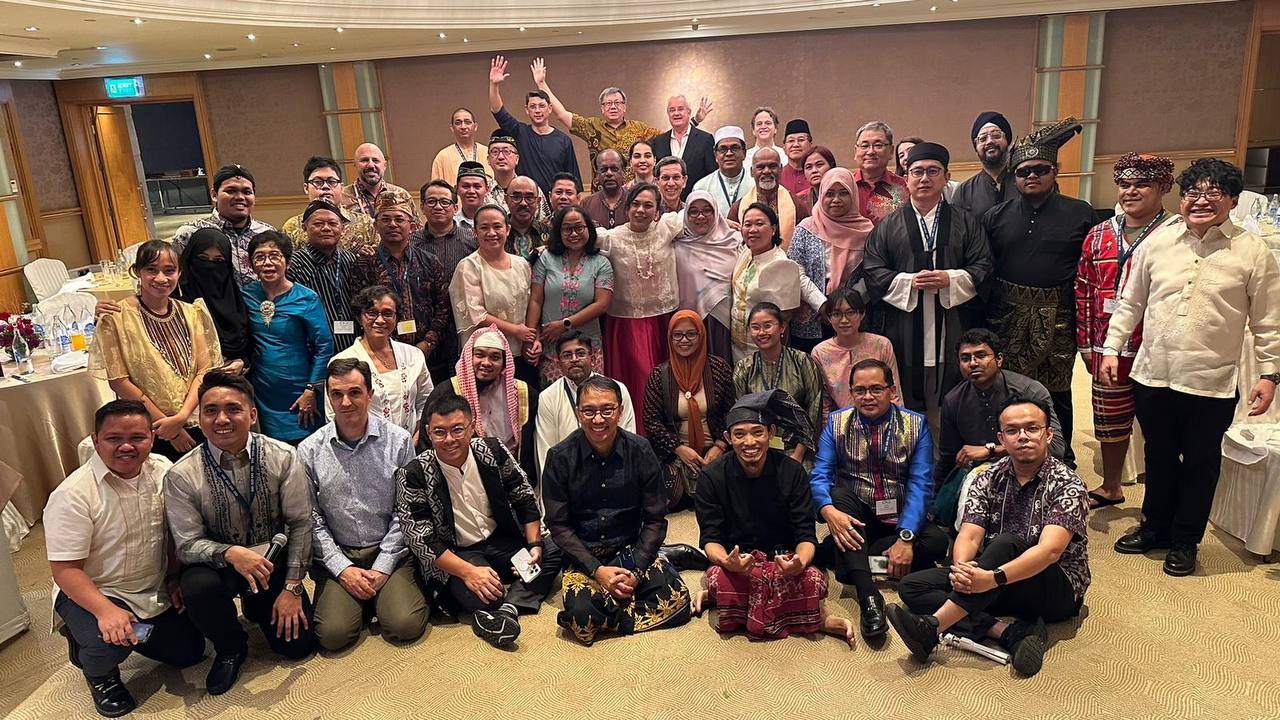
During the three day-conference, participants had the opportunity to learn about other cities’ societies, cultures, and recent contexts. Furthermore, they will exchange perspectives, share experiences in dialogue activities, analyse opportunities, highlight challenges, and collaboratively plan the forthcoming dialogue projects based on different clusters. These clusters are divided based on themes of research and scholarship, policy advocacy, women leaders, and youth leaders. A highlight of the conference was site visits to the Golden Mount Buddhist Temple, the Haroon Mosque, and the Assumption Cathedral.
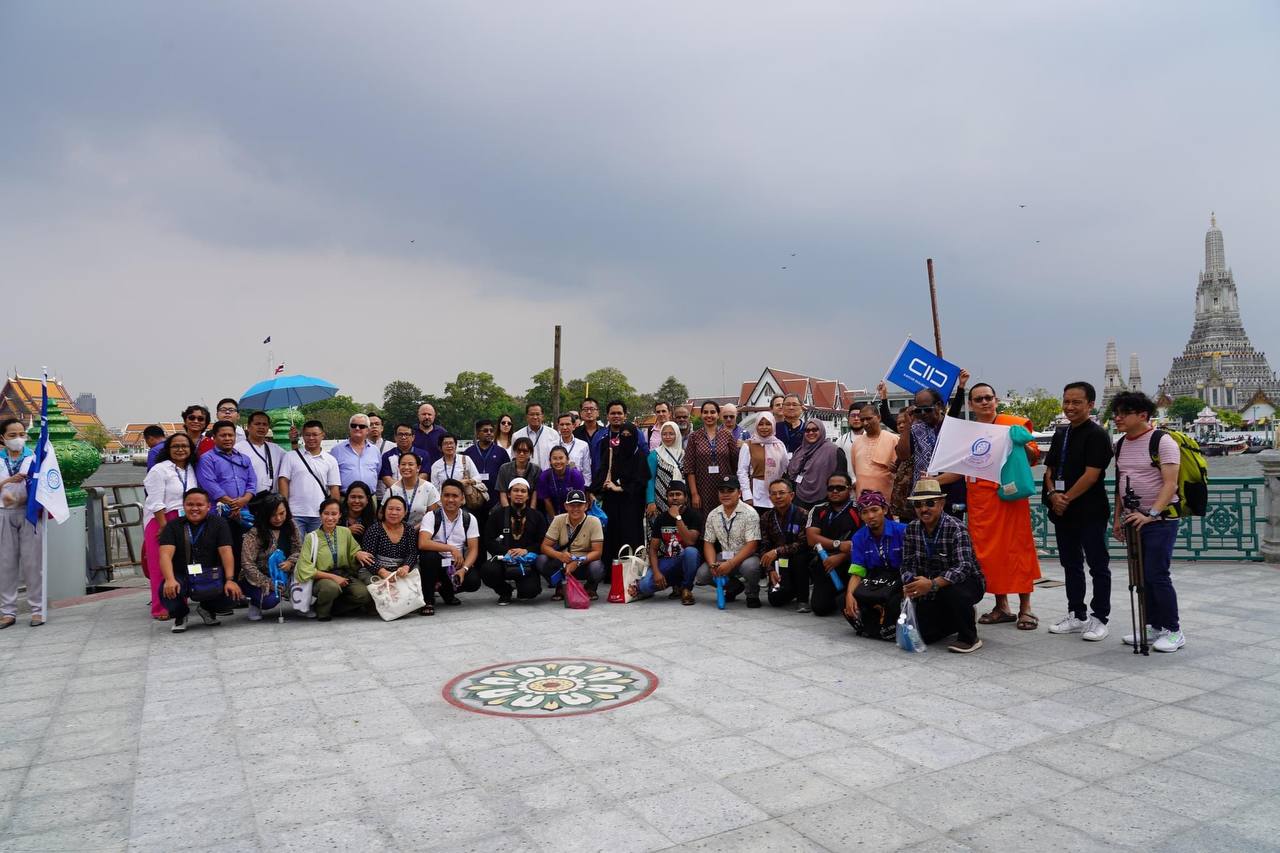
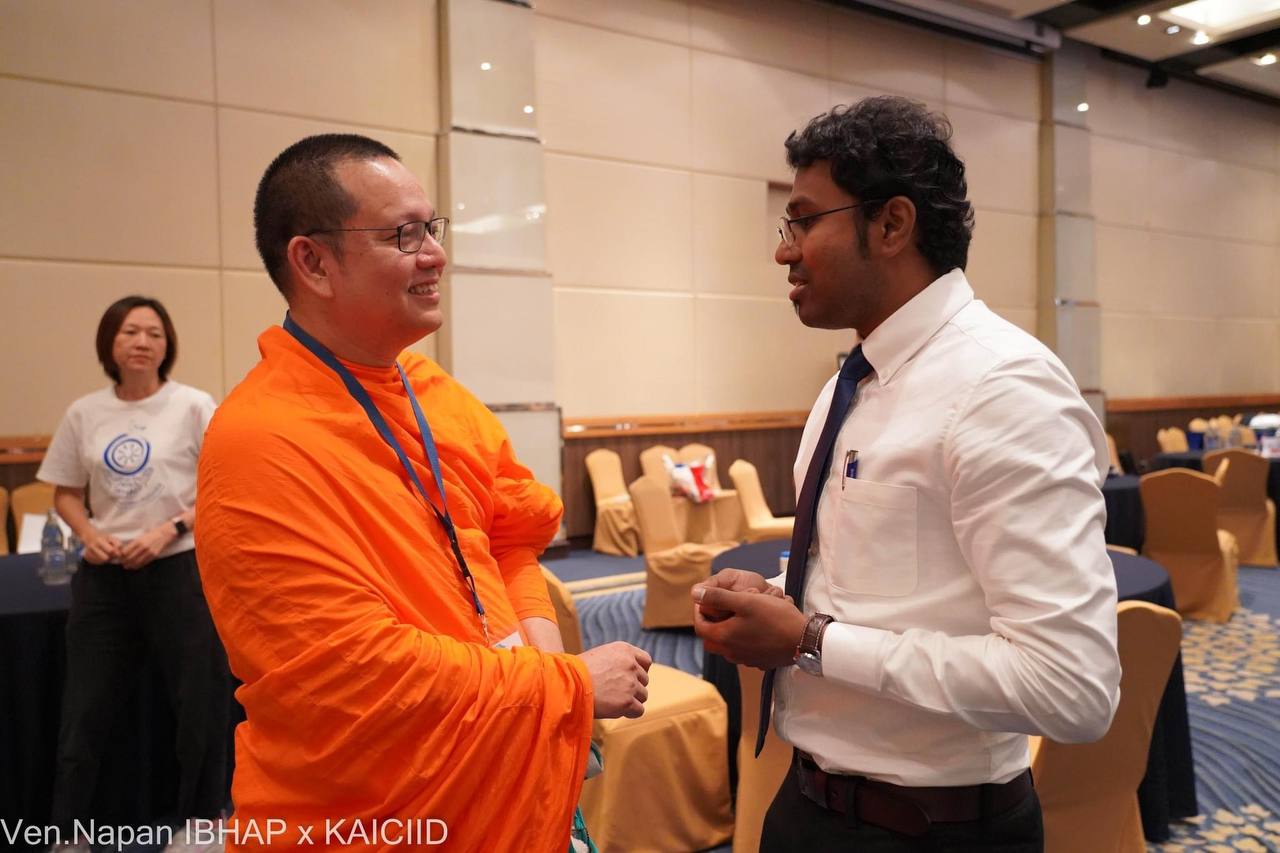
“The Dialogue Cities Southeast Asia Conference provided an invaluable platform for diverse voices across Southeast Asia to come together and foster interreligious and intercultural understanding. I was inspired by the commitment of national unity activists, policymakers, and youth leaders from all over Southeast Asia who shared their experiences and innovative practices in dialogue. This conference showcased the power of dialogue in promoting peaceful coexistence and highlighted the need for continued support and active participation,” said The Venerable Napan Thawornbanjob, one of the key organising figures at the Bangkok conference.
To ensure a more concrete plan of action, the conference appointed steering committee for the forthcoming Dialogue Cities Southeast Asia Conference and decided which city will host the event in the coming year. It is hoped that more Malaysians will support their national unity project through dialogue. There is a regional need for more Malaysian dialogue activists and advocates to be visible and active. Ultimately, it is believed that through dialogue, peaceful co-existence can be achieved on a larger scale.


 stoɾiesoftm